

Preschool and Pre-K Programs
Home - Our Programs - Toddler Care
Discover the Right Preschool and Pre-K Programs for East Cobb and Marietta Families
Choosing the right environment for a growing learner is a major milestone. Touring a center gives families the chance to see how teachers encourage curiosity, support friendships, and guide children through daily learning experiences. It is also an opportunity to get a feel for the classroom environment and learn how children are prepared for their next stage of growth.

Academic Readiness for Kindergarten
Essential early math, literacy, and science concepts are introduced through engaging, hands-on experiences. Whether tracing letters, counting blocks, or observing nature, children naturally absorb foundational knowledge. A thoughtfully designed curriculum meets developmental milestones, helping children build a strong foundation for kindergarten.
Building Social and Classroom Skills
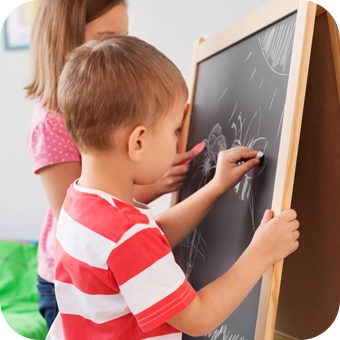
A big part of preschool and Pre-K is learning how to be part of a classroom community. Children begin taking turns, following directions, participating in group activities, and expressing themselves more clearly with both teachers and peers. These everyday interactions help them develop the social awareness and classroom habits that will continue to matter as they move into kindergarten.
Growing Independence Every Day
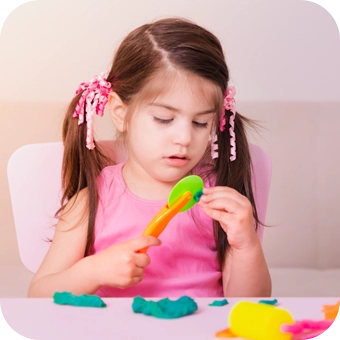
Confidence often grows through repetition. A child hangs up a backpack, makes a choice during an activity, helps with cleanup, or moves through part of the routine with less support than before. Those moments may seem small, but they matter. With encouragement and age-appropriate expectations, children begin building the independence that helps them feel more capable in new settings.

What To Look For In Quality Preschool and Pre-K Programs in East Cobb And Marietta
Finding a high-quality program means looking for an environment that challenges and supports a child. Keep these key elements in mind as families explore their options:
- A balanced, engaging curriculum
Look for a mix of teacher-led instruction and child-directed exploration. A great program seamlessly weaves literacy, math, and science into daily play.
- Caring and knowledgeable teachers
Strong teachers understand early childhood development and know how to adapt lessons to fit individual learning styles, keeping every child engaged.
- A focus on social-emotional development
Teachers should actively guide children in resolving conflicts, expressing feelings, and working together, setting the stage for healthy classroom behavior.
- Engaging and organized classrooms
Learning spaces should be rich with age-appropriate materials, diverse books, and clearly defined activity centers that invite discovery.
- Strong communication with families
Regular progress reports, conferences, and open communication channels ensure families stay fully informed about academic and social milestones.
Empowering Children to Feel Ready for What Comes Next
Preschool and Pre-K are about more than learning letters, numbers, or classroom routines. They are also a time for children to grow into themselves a little more. In the right environment, they begin to trust their abilities, take pride in what they can do, and feel more comfortable stepping into new experiences. For families, that growth can bring real reassurance. It becomes easier to see that a child is not only learning, but also building the confidence and readiness that will carry into the next stage.
Frequently Asked Questions
What is the difference between Preschool and Pre-K?
Preschool generally introduces three-year-olds to a structured classroom setting, focusing on socialization and early routines. Pre-K is tailored for four- and five-year-olds, emphasizing specific academic and social skills needed for kindergarten readiness.
How is kindergarten readiness assessed?
Teachers continuously monitor developmental milestones, including fine motor skills, letter recognition, and social interactions. These observations are shared during regular conferences, so families know exactly how a child is progressing.
What role does play have in a Pre-K classroom?
Play remains a critical learning tool. Purposeful play teaches complex concepts, such as using building blocks to understand geometry or engaging in dramatic play to develop vocabulary and empathy.
How do preschool and Pre-K programs support independence?
Children build independence through small daily responsibilities such as following routines, making choices, cleaning up after activities, and participating in classroom tasks. Over time, these experiences help them feel more capable and confident in a structured setting.
How can families tell if a preschool or Pre-K program is the right fit?
A strong fit often comes down to the classroom environment, the teaching approach, and how supported a child feels during the day. Families may also want to consider how well the program encourages learning, communication, social development, and readiness for the next stage.
How is conflict resolution handled among children?
Positive reinforcement and gentle guidance help children navigate disagreements. Teachers model appropriate language, helping children learn to express their feelings and find solutions.
What does a typical daily schedule include?
Daily schedules often include a mix of learning activities, play, meals or snacks, and quiet time. The exact routine can vary by program, but a strong schedule helps children stay engaged while still having time to recharge throughout the day.