



Infant and Toddler Care Programs
Home - Our Programs - Toddler Care
Take the First Step Toward Infant and Toddler Care That Feels Right for Your Family
Finding the right care in the early years makes a meaningful difference for both children and parents. A tour gives families the chance to experience the environment in person and learn more about the daily routine, teaching approach, and caring team. This first step can make it easier to choose infant and toddler care with confidence.

Growing Through Play
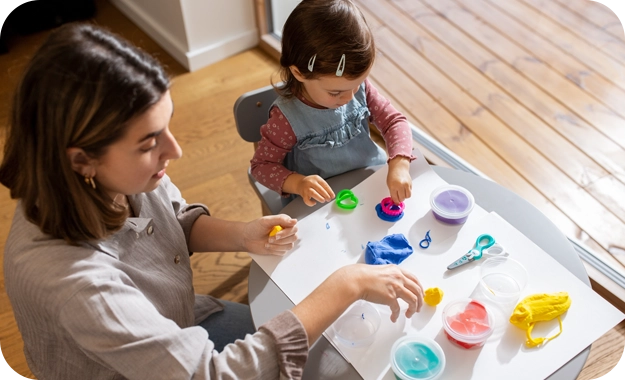
Play is one of the first ways young children begin making sense of the world around them. Through stories, music, sensory activities, and guided play, they start building coordination, communication, and early problem-solving skills in ways that feel engaging and age-appropriate. These everyday moments invite curiosity, encourage participation, and make learning feel both active and enjoyable.

Responsive Care and Connection
The early years are shaped by relationships. When caregivers respond with patience, consistency, and genuine attentiveness, children feel more secure in their surroundings and more at ease expressing what they need. That sense of connection helps support emotional growth and creates a steady foundation for comfort, trust, and early learning.

Building Confidence Early
Confidence often begins in small ways. A child tries something new, makes a choice, follows a routine, or completes a simple task with support close by. Over time, those experiences help little ones feel more capable in their daily environment. With gentle guidance and room to grow, children begin developing the self-assurance that carries into new experiences and future learning.
What To Look For In Infant and Toddler Care Programs in East Cobb And Marietta
When searching for care for your child, it helps to know what sets strong programs apart. As you tour centers and meet with caregivers, keep these essential features in mind:
- Predictable routines and smooth transitions
Young children thrive with a steady daily rhythm. Calm transitions from meals to naps to play help little ones feel safe, reduce stress, and support easier adjustment throughout the day.
- Caring teachers who guide with patience and warmth
Look for respectful interactions, gentle language, and clear expectations. Positive emotional support and patient guidance should be visible in every room and felt by every child.
- Safe spaces and dependable procedures
Quality care means secure entry points, active supervision, and well-maintained play areas. From clean toys to organized pickup routines, safety should remain a clear and consistent priority.
- Play-based learning that fits each age
Engaging, hands-on activities naturally introduce important skills. Storytime, sensory play, music, and art can encourage early language, motor development, and discovery without pressure or overstimulation.
- Open communication and family partnership
Look for programs that keep families involved through daily updates, photos, and continued conversation about routines, growth, and milestones. Ongoing communication helps families feel supported and more connected to their child’s day.
Support That Matters for Children and Parents Alike
In the early years, quality care can shape more than a child’s development. It can also bring greater ease and reassurance to daily family life. When children are in a setting where they feel comfortable, engaged, and well cared for, drop-offs often go more smoothly, routines feel more manageable, and parents can move through the day with more peace of mind. That kind of support matters not only for children as they grow, but for families as they build a steady rhythm they can rely on.
Frequently Asked Questions
What ages are typically included in infant and toddler programs?
Most early care programs divide classrooms by specific developmental stages. Infant care usually covers babies from around six weeks old up to walking age, while toddler care focuses on children who are confidently walking and beginning to talk.
How do programs communicate with families about daily routines?
Daily updates typically include details about feeding times, diaper changes, nap durations, and developmental milestones. This regular communication helps families stay informed about their child's day and progress.
What does a typical day look like for a toddler?
A toddler's day balances active play with restful downtime. The schedule includes simple group activities, storytime, outdoor exploration, and hands-on discovery, all guided by a predictable routine that helps them feel secure.
How are infant sleep schedules handled?
Infant sleep schedules are guided by individual cues and preferences, closely aligned with home routines. Safe sleep guidelines are consistently followed, and a quiet, calm environment is maintained to help infants rest when they show signs of tiredness.
What kind of sensory play do infants and toddlers experience?
Sensory play includes exploring different textures, listening to music, splashing at water tables, and safe finger-painting. Engaging in these activities not only stimulates their senses but also helps develop fine motor skills and fosters a natural curiosity and a sense of discovery.