

Pre-Kindergarten and Kindergarten Programs
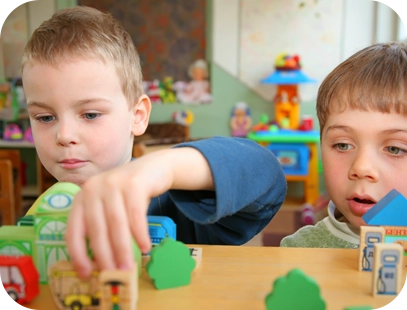
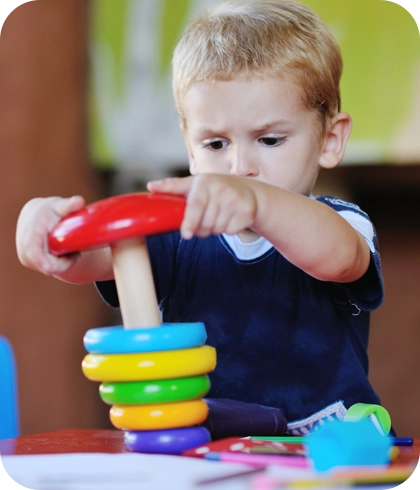
Toddlers do best with a predictable routine, warm guidance, and plenty of hands-on exploration. At this age, the focus is on language development, social skills, and early independence through play, songs, stories, and simple classroom jobs. These daily experiences help children learn how to follow directions, express needs, and participate in group activities with confidence.
Home - Our Programs - Toddler Care
Pre-Kindergarten Programs And Early Learning Options Built For Busy Families In East Cobb And Marietta
Explore age-based care, a supportive kindergarten program pathway, and children’s enrichment programs designed to build confidence through play, routines, and hands-on learning. Find the right fit, then take the next step when you are ready.
A Clear Overview Of Programs And Daily Learning
Choosing care is easier when the basics are clear. Programs can look similar online, but the day-to-day experience depends on routines, teacher support, classroom structure, and how children learn through play. This overview highlights common program stages and what families typically look for, from early care through pre-k readiness. Use it to compare options in East Cobb and Marietta, plan tour questions, and identify a setting that feels safe, steady, and well-organized.
What To Look For In Pre-Kindergarten Programs And Early Learning
A program can look impressive online and still feel different in daily practice. These points help families compare options quickly and notice quality during a tour.
- Consistent daily routines and calm transitions
Children do best when the day follows a steady rhythm. Clear transitions reduce stress and support better focus.
- Teachers who guide behavior with patience
Look for warm redirection, respectful language, and clear expectations. Emotional support should feel consistent across the classroom.
- Safe access, supervision, and clear pickup procedures
Strong programs control entry, track authorized pickups, and supervise actively. Safety routines should be simple, visible, and followed every day.
- Hands-on learning that builds early skills naturally
Quality learning uses stories, play, art, and conversation to build language and early math skills. Children should be engaged without pressure.
- Enrichment that supports confidence and curiosity
Many families value children’s enrichment programs that add variety without overload. The best options feel purposeful, age-appropriate, and fun.
Enrichment And Extended Care That Fits Your Schedule
Many families need more than a standard school-day schedule. Options like a well-structured after-school care program can provide a safe, consistent routine with time to unwind, connect with peers, and stay engaged through simple activities. Some programs also include preschool enrichment programs that add variety through art, music, movement, and early STEAM-style exploration. When comparing choices, look for clear supervision, organized transitions, and activities that feel purposeful and age-appropriate rather than overstimulating.
Frequently Asked Questions
What ages are typically included in early learning programs?
Most early learning programs are divided by age, such as infant care, toddler care, preschool, and pre-k. Each stage focuses on developmentally appropriate routines, learning activities, and social growth, tailored to what children need at that age.
What should families look for in pre-kindergarten programs?
Strong pre-kindergarten programs combine play with early academic readiness. Look for consistent routines, language-rich activities, early math and literacy exposure, and teachers who guide behavior with patience. A good classroom also supports independence, problem-solving, and social skills.
How is preschool different from pre-k?
Preschool usually focuses on early social development, routines, and foundational learning through play. Pre-k typically adds more structured readiness skills, such as early writing practice, group learning expectations, and stronger kindergarten preparation, while still keeping learning age-appropriate.
What does a kindergarten program pathway usually include?
A kindergarten program pathway often includes pre-k readiness skills like following multi-step directions, building early literacy and number sense, improving attention, and strengthening independence. Families can ask how daily routines support confidence and classroom responsibility.
What are children’s enrichment programs, and are they worth it?
Children’s enrichment programs add variety to learning beyond the core classroom routine. Examples include music, movement, art, early STEM-style activities, or language exposure. They can be valuable when enrichment is consistent, age-appropriate, and supports skills children are already practicing in the classroom.
What should an after-school care program provide?
A strong after-school care program should offer safe supervision, a clear pickup process, and a predictable routine. Many families also look for snack time, homework support for school-age children, and structured options that balance relaxation with meaningful activities.
How can families compare programs during a tour?
During tours, focus on classroom routines, teacher engagement, cleanliness, supervision, and how children are spoken to. It also helps to ask about communication with families, how behavior is guided, and what a typical day looks like for your child’s age group.
Do programs typically offer summer options for kindergarten-age children?
Some providers offer a summer program kindergarten option or school-age summer care that includes structured activities, outdoor play, and enrichment. Families can ask about weekly themes, supervision ratios, daily schedules, and what a typical summer day includes.